
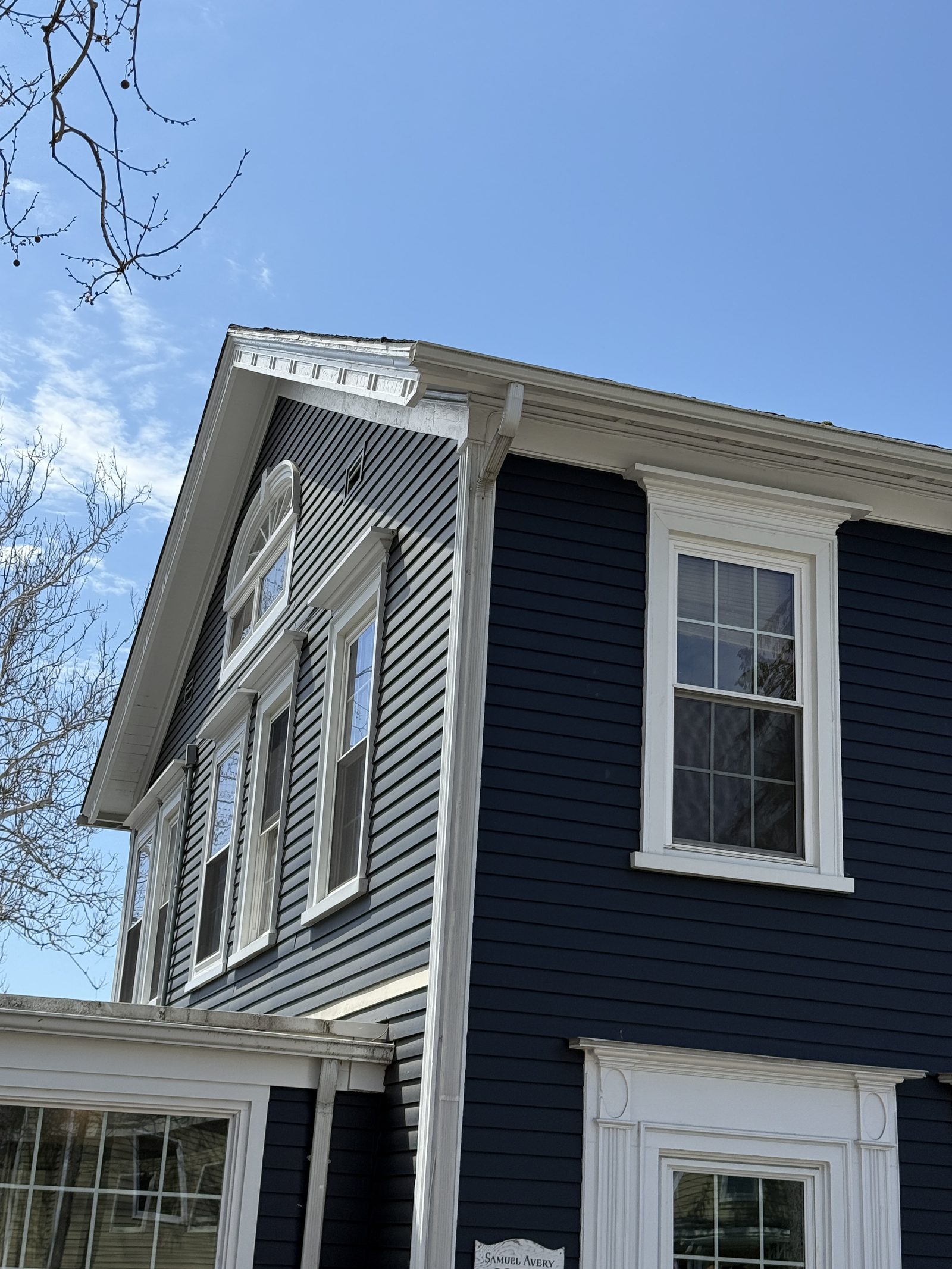
A window box is a small structure with an outsized visual effect — done well, it makes a window read as a complete composition; done poorly, with the wrong proportions or material, it reads as an afterthought clipped onto the sill. The plants inside change with the season. The box itself should be built to look like it has always been there.
A correctly proportioned window box is sized to the window it sits below — typically extending slightly beyond the casing width on each side, with a depth and height proportional to the window's scale rather than a generic off-the-shelf size. Painted to match the trim or a complementary accent color, it reads as part of the building's architecture rather than a separate decorative object.
Wood window boxes for exterior use should be built from rot-resistant material — clear cedar or, ideally, an interior liner of cedar or a plastic insert within a more decorative exterior wood box, since the exterior box itself can then be built from a less rot-resistant wood without direct soil contact. Standard depth is 8 to 10 inches, with drainage holes at the base and a gravel layer before soil.
Direct soil contact inside an unlined wood box accelerates rot regardless of species, because the moisture exposure is constant and severe. A removable liner — plastic, galvanized metal, or a cedar insert — that holds the soil and drains separately from the decorative outer box dramatically extends the box's life.
A correctly sized, correctly mounted, well-built window box is a traditional and appropriate seasonal detail on New England houses of nearly every period. The mounting must be secure — through-bolted to the wall structure, not simply resting on brackets that could fail under the weight of wet soil — given the weight involved once filled and watered.
Custom-built by a carpenter to the specific window dimensions, or ordered from specialty window box manufacturers who build to custom size. Specify a removable liner system explicitly to maximize the life of the decorative outer box.
Custom-built wood window box, sized to the specific window proportions, with a removable liner (plastic, galvanized metal, or cedar insert) separating soil contact from the decorative exterior box, through-bolted to the wall structure, for traditional New England residential windows. Drainage holes and a gravel layer beneath the soil are mandatory.
Something missing from the archive?
Suggest a material →