
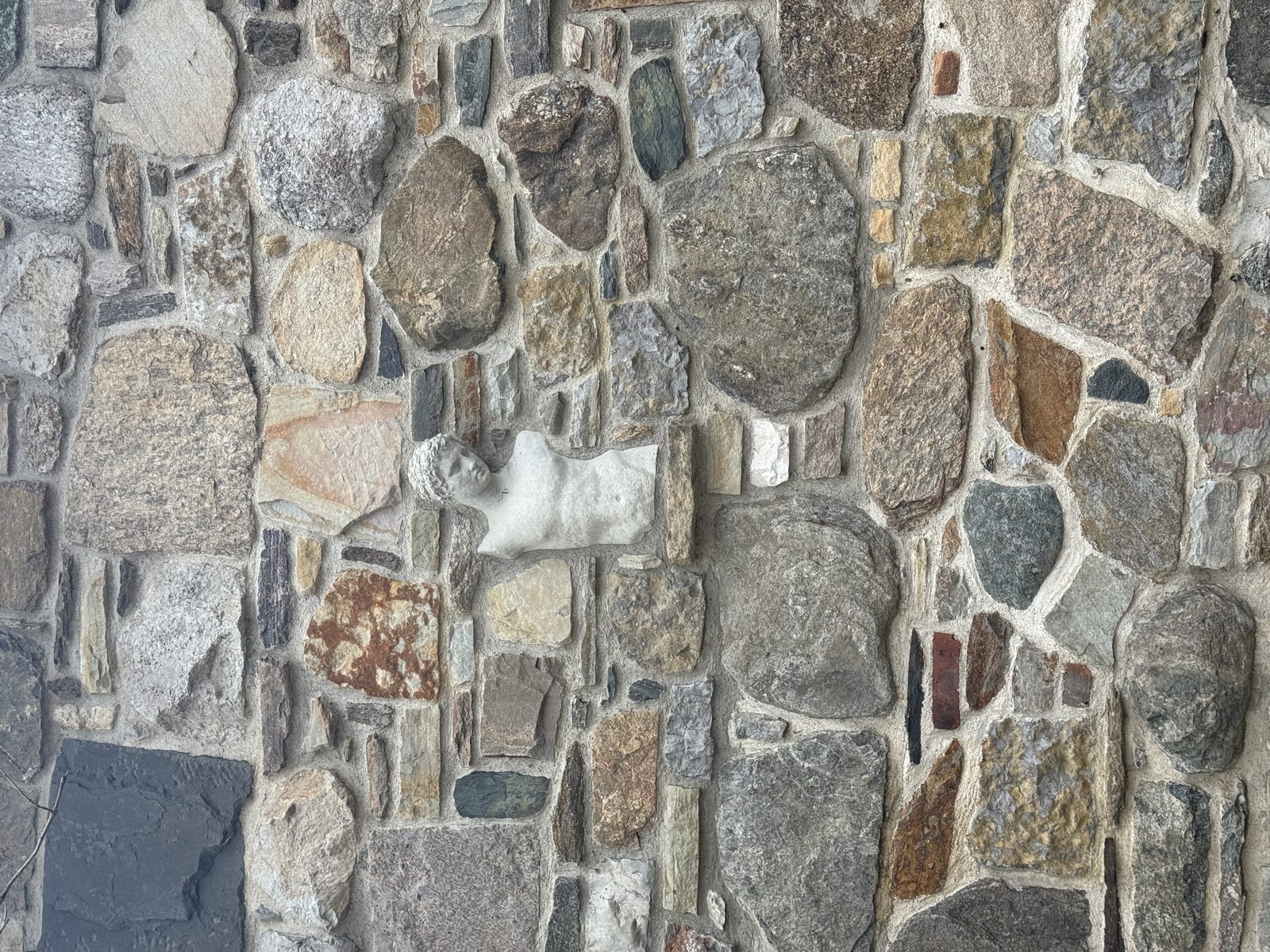
More historic masonry has been damaged by incorrect repointing than by any other single cause of deterioration. The damage is invisible at first — it happens slowly, inside the wall, as the wrong mortar traps moisture and transfers stress to the brick or stone that the mortar was supposed to protect. By the time the damage is visible on the surface, it has been accumulating for years. The correct mortar for repointing historic masonry is not a matter of preference. It is a matter of physics and chemistry, and getting it wrong is expensive and sometimes irreversible.
Old mortar on a well-maintained historic building is almost invisible. It recedes into the joint and lets the masonry units read as the surface. The joint is slightly concave, slightly shadowed, and its color is close enough to the masonry that the eye travels across the wall rather than along the grid of joints. Modern Portland cement mortar announces itself — too hard, too grey, too uniform, and too flush with the masonry face.
Historic mortar was lime-based. Portland cement did not exist until the mid-nineteenth century and did not become the dominant construction mortar until the early twentieth century. Any masonry building constructed before approximately 1920 was built with lime mortar, and lime mortar is what it should be repointed with. The principle is simple: mortar must always be softer than the masonry units it holds. When mortar is harder than the brick or stone, the masonry cannot move. Thermal expansion and freeze-thaw cycling are absorbed by the masonry face rather than the joint. The face spalls. The brick crumbles.
The ASTM mortar types most relevant to historic repointing are Type O and Type K — approximately 1 part Portland cement, 2 parts lime, and 9 parts sand. This is significantly softer than the Type S and Type N mortars commonly specified for new construction, and the difference matters enormously when the masonry units are old and soft.
Before repointing any historic masonry, determine the original mortar composition. The repointing mortar should match the original as closely as possible in composition, color, and texture. Sand is the primary determinant of mortar color. Joint profile matters — repointed joints should be slightly concave, set back approximately 1/4 inch from the face of the masonry. Flush or proud joints hold water at the mortar-masonry interface and accelerate deterioration. Do not repoint in temperatures below 40 degrees Fahrenheit or above 90 degrees.
Type O or softer lime-based mortar for all historic masonry repointing — 1 part Portland cement, 2 parts lime putty, 9 parts sand. Sand color and texture matched to original mortar. Joint profile slightly concave, set back 1/4 inch from masonry face. Never Portland cement Type S or N on soft historic brick or fieldstone. The mortar must always be softer than the masonry it holds.
Something missing from the archive?
Suggest a material →