Black locust does not rot. That is not a boast. It is a documented material property. Black locust in ground contact, in New England conditions, outlasts pressure-treated pine by decades. The fence posts set in the 19th century that are still standing are almost certainly black locust. The wood is not widely sold in lumber yards. It is not fashionable. It is simply the most rot-resistant native wood in the northeastern United States, and that fact alone makes it worth knowing.
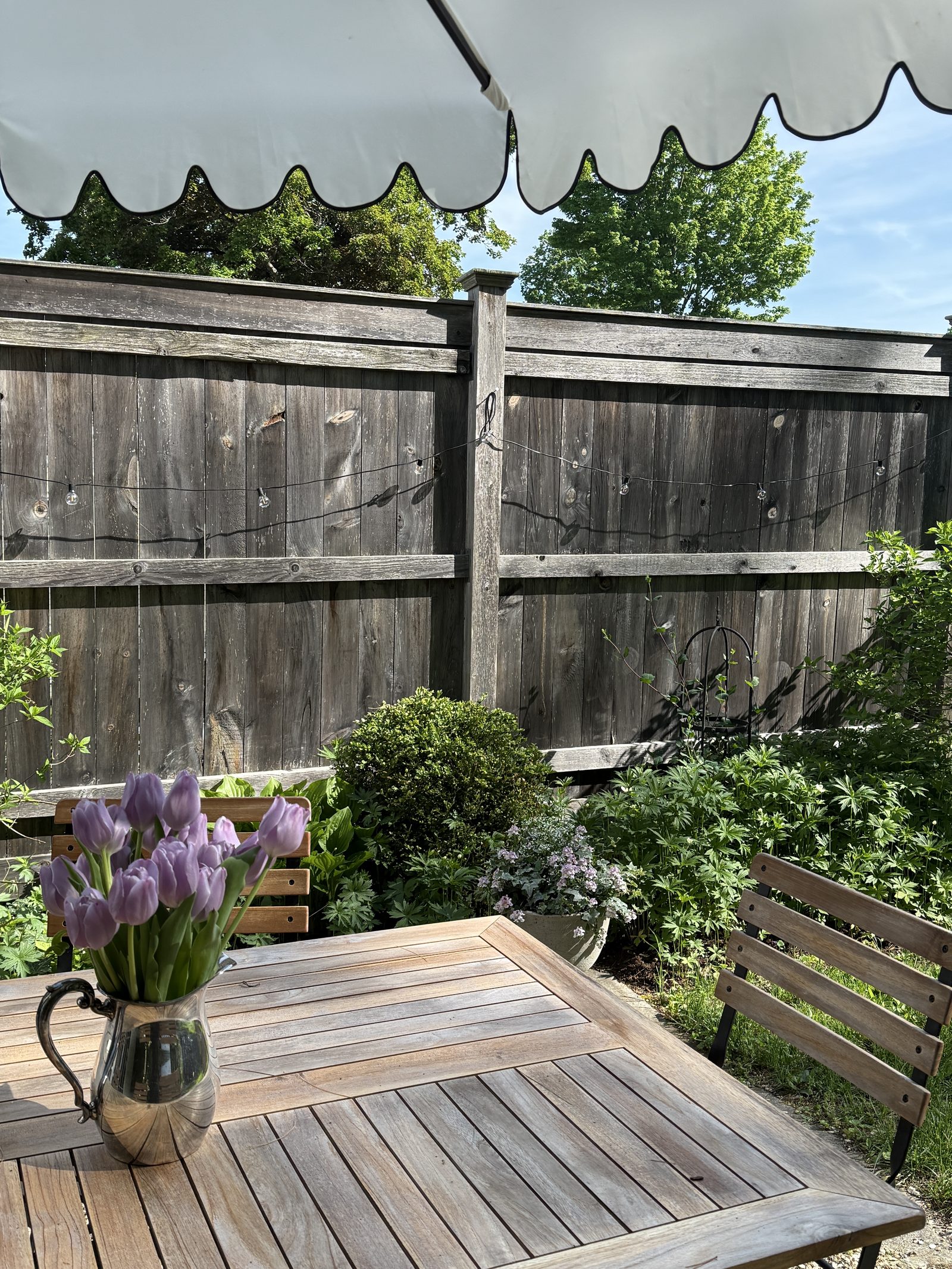
Pale yellow-green when freshly cut, darkening to a warm honey-brown over the first year. Exterior unfinished, it weathers to a silver-grey similar to cedar but with a tighter grain. The wood is dense and hard — noticeably heavier than pine or cedar. Posts and rails in black locust feel permanent in the hand. They are.
Black locust (Robinia pseudoacacia) is native to the Appalachian region and has been naturalized throughout New England. It is a hardwood with one of the highest natural decay resistance ratings of any North American species — Class 1, meaning it is expected to last 25 years or more in ground contact without treatment. The wood is also one of the hardest native hardwoods in the region, with a Janka hardness rating of 1700 lbf. Available from specialty lumber dealers, regional sawmills, and sometimes directly from land clearing operations.
Black locust requires essentially no maintenance in exterior applications. Posts set in ground contact do not need treatment. Rails and fencing do not need sealing or staining, though the wood will silver over time if left unfinished. It is difficult to work with hand tools because of its hardness, but it holds fasteners very well. Pre-drilling is required for nails and screws.
For fence posts, split-rail fencing, deck framing in ground or near-ground contact, and any exterior application where durability without chemical treatment is the priority, black locust is the correct native New England choice. Cedar is the more familiar material and correct for siding and shingles. Black locust is the correct material where structural durability in the ground is the specification.
Black locust is not a standard lumber yard item. Source from specialty hardwood dealers, regional sawmills in Connecticut, Massachusetts, and Vermont, or from land clearing contractors who may have access to harvested material. Specify "black locust, air-dried or green, for fence posts and exterior framing." Green locust is acceptable for post applications.
Black locust for fence posts, split-rail fencing, and exterior framing in or near ground contact on New England properties where rot resistance without chemical treatment is the specification. No sealant or treatment required. Pre-drill for all fasteners. Source from regional mills or specialty dealers. This is the correct post material for a traditional New England fence.
Something missing from the archive?
Suggest a material →