
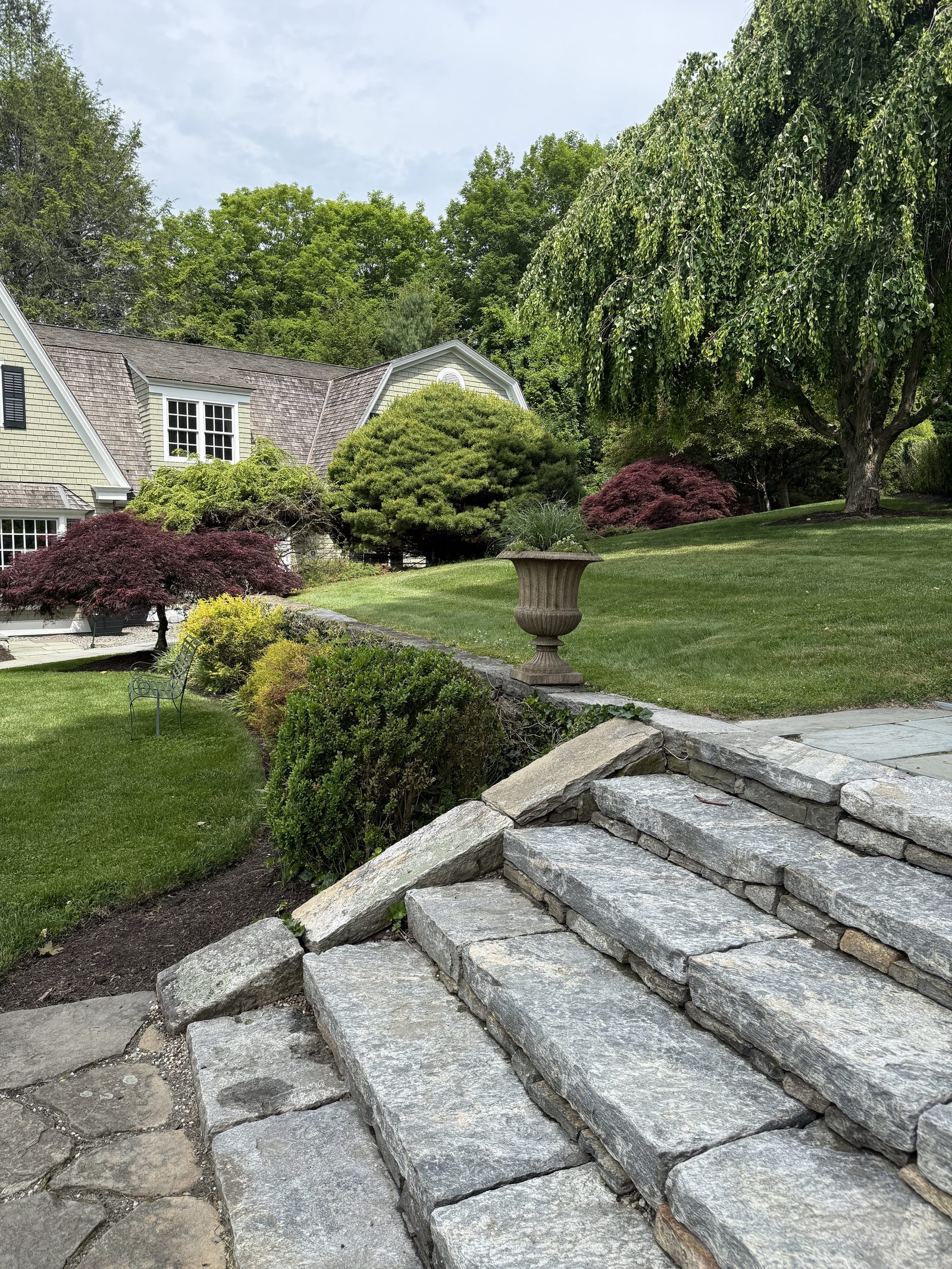
Cast stone is concrete formed and finished to resemble natural stone. It has a legitimate place in traditional building — as a cost-effective substitute for carved limestone detail on buildings where the carved profile matters more than the material — and it has an illegitimate place, which is anywhere it is presented as natural stone rather than as what it is.
Good cast stone is difficult to distinguish from natural limestone at conversational distance. The color is consistent — more consistent than natural stone, which is one of the tells. The texture is slightly smoother than natural-cleft stone. At close range, the absence of natural crystalline structure is visible to a trained eye. Over time, it weathers differently than natural stone.
Cast stone is a precast concrete product using white Portland cement, fine aggregate, and mineral pigments to produce a material that approximates the appearance of natural limestone or sandstone. It is manufactured by companies specializing in architectural precast concrete and is available in virtually any profile — sills, lintels, quoins, keystones, cornices, balusters. ASTM C1364 governs the standard for architectural cast stone.
Cast stone is durable but less so than granite in New England freeze-thaw conditions. Properly manufactured and installed cast stone performs well for decades. Improperly manufactured material — insufficient cement content, inadequate curing — spalls in freeze-thaw. It is more vulnerable at thin sections and sharp arrises than natural stone.
Cast stone is acceptable on new traditional construction where carved limestone profiles are required and budget does not support natural limestone. It is not acceptable as a substitute for natural stone on historic restoration work, and it is not acceptable presented as natural stone.
From architectural precast manufacturers. Specify ASTM C1364, color to match specified natural stone, air-void content not to exceed 5 percent. Request samples wet and dry before specifying.
Cast stone per ASTM C1364 for decorative profiles — sills, lintels, keystones, quoins — on new traditional construction where natural limestone is not in the budget. Not acceptable as a substitute for natural stone on historic restoration work. Not acceptable presented as natural stone. The profile is what cast stone provides. The material is what natural stone provides.
Something missing from the archive?
Suggest a material →