The cedar-shingled house is one of the most recognizable images in New England architecture. It is the grey-sided cottage on the Rhode Island shore, the gambrel house in Essex County, the weathered barn in Vermont. Cedar shingle siding is not cedar shake roofing applied to a wall. It is a different product, installed differently, for a different purpose. Getting the distinction right is the beginning of getting the building right.
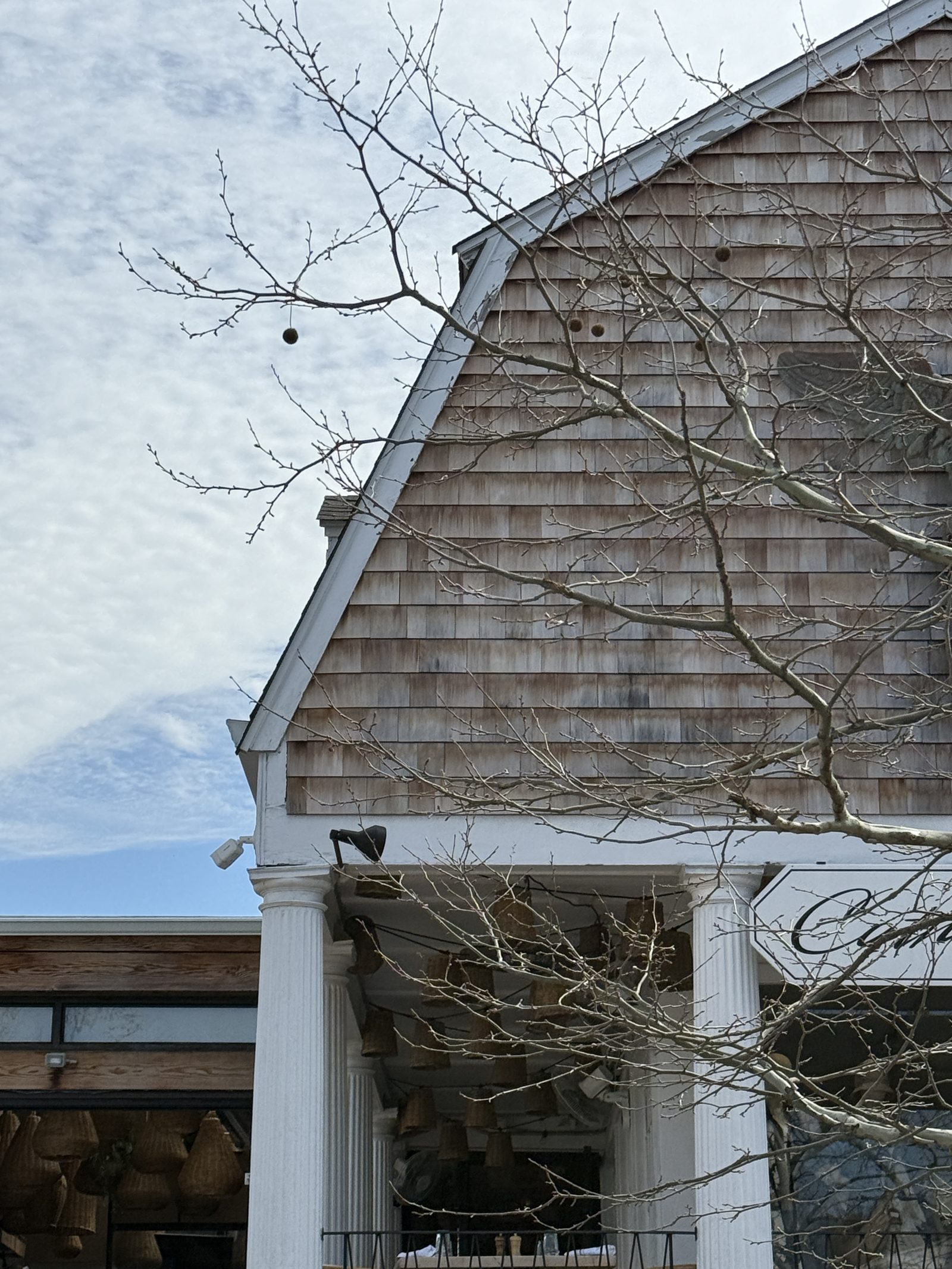
Freshly installed, cedar shingle siding is the pale straw color of raw wood. Left to weather without stain or paint, it silvers over two to three years in coastal conditions, faster in shade, slower on south-facing walls in direct sun. By year five it is a quiet silver-grey with subtle grain texture visible across the face. The shadow lines between courses are consistent — each shingle overlapping the one below at a regular exposure — and that rhythm is what gives the cedar-shingled wall its character.
Wall shingles are sawn from western red cedar or eastern white cedar, with eastern white cedar being the historically correct material for New England siding applications. Standard wall shingle is 16" or 18" long, tapered from approximately 3/8" at the butt to nearly nothing at the tip. For siding, the standard exposure is 5" to the weather for 16" shingles. Shingles are graded: #1 Blue Label (all-clear, edge-grain) is the correct specification for exposed siding work.
Cedar shingle siding is one of the most durable exterior cladding systems available in a New England climate when installed correctly. It breathes. It accommodates moisture movement. Individual damaged shingles can be replaced without disturbing the surrounding material. A cedar-shingled wall that is properly installed and left to weather without intervention will perform for 50 to 100 years.
Cedar shingle siding is the historically correct cladding for vernacular New England buildings from the 17th century onward, particularly in coastal Massachusetts, Rhode Island, Connecticut, and Maine. Fiber-cement shingle siding approximates its appearance but lacks the dimensional variation, the weathering character, and the repairability of real cedar.
Order #1 Blue Label cedar shingles in 16" length from a lumber yard or roofing supplier. Specify eastern white cedar if regional authenticity is the priority; western red cedar is more widely available and acceptable. Do not accept #2 grade for exposed siding — the knots and sapwood will not weather uniformly.
Number 1 Blue Label cedar shingles, 16-inch length, 5-inch exposure to the weather, for wall siding on traditional New England residential buildings. Eastern white cedar preferred for regional authenticity. Left to weather without stain unless color is required, in which case a semi-transparent oil-based stain applied before installation is correct. Do not paint cedar shingle siding.
Something missing from the archive?
Suggest a material →